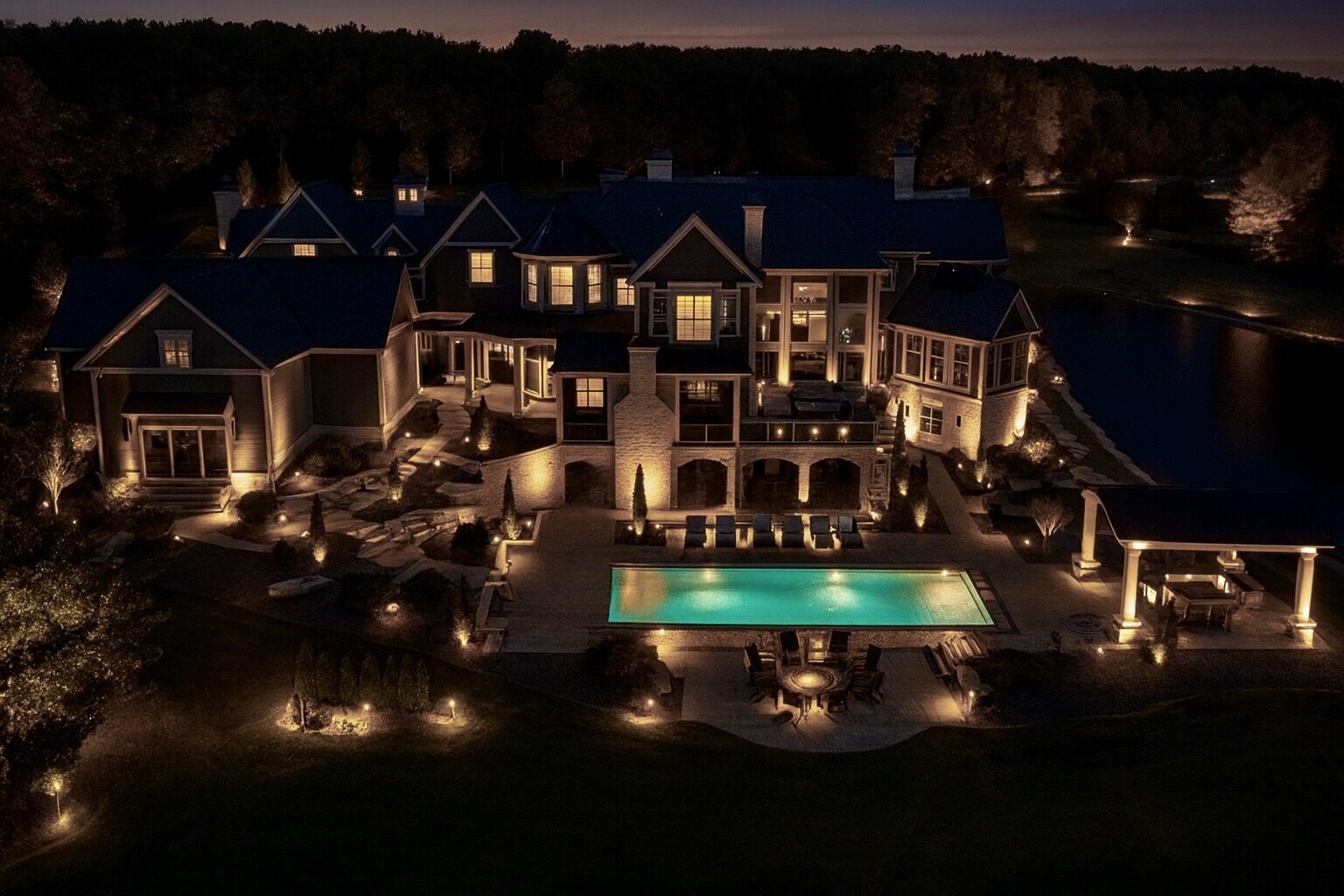
Lighting Scenes People Actually Use (and the Ones They Don't)
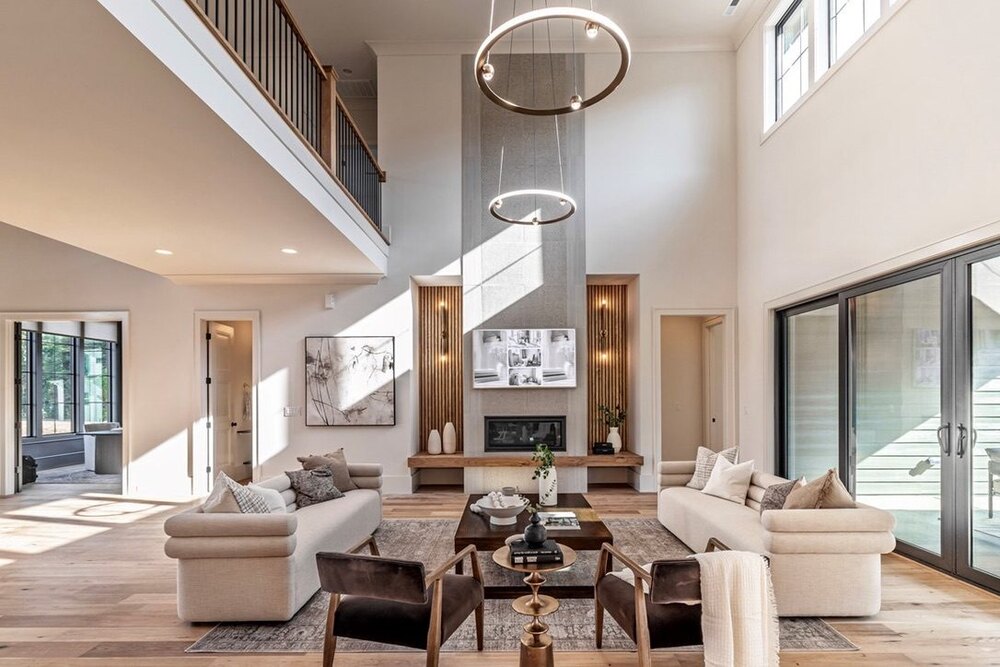
A lighting system will happily give you forty scenes. Most homes settle into four. The gap between those two numbers is where good programming lives, and it's the part that gets skipped when lighting is treated as a hardware purchase instead of a design decision.
We've programmed a lot of these. The pattern is consistent enough to plan around.
The four that earn their keep
Almost every household converges on the same short list. The names change. The moments don't.
- Morning. Kitchen and path lighting up, everything else off. It runs before anyone is awake enough to make a decision, which is exactly why it works.
- Welcome. One press at the door that lights the way in and makes the house look occupied. This is the scene guests notice and nobody talks about.
- Dinner. Task light over the counters, warm and low everywhere else. The one scene people adjust the most before they're happy with it, and then never touch again.
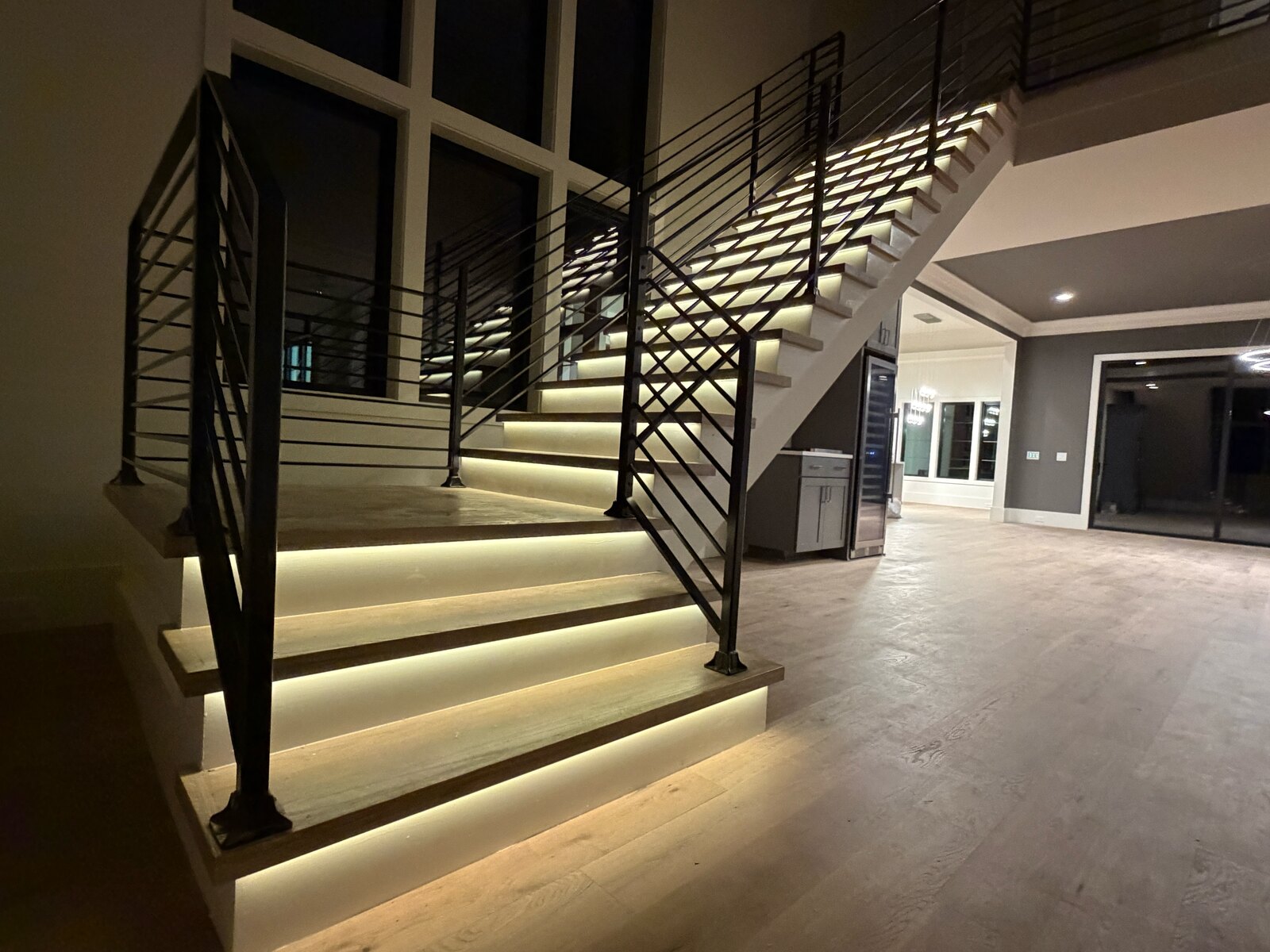
- Goodnight. The whole house down to nothing except the stair and bath paths. This is the scene that sells the system, six months in, at 11pm.
Four buttons people press beats forty they scroll past.
The ones nobody presses
The unused scenes are predictable too, and they almost always come from programming the house instead of the life in it.
- A scene per room. Twelve rooms means twelve scenes and a decision every time. People stop making it.
- Duplicates with different names. "Relax," "Evening," and "Lounge" that land within a few percent of each other. Three buttons, one outcome.
- Movie, in a room with no screen. It gets programmed because the template had it.
- Color, past the first week. Tunable and color-changing fixtures earn their place in specific rooms. Everywhere else, the novelty wears off before the drywall dust does.
Why the good ones work
The scenes that survive map to moments, not to rooms. Nobody thinks "I would like the kitchen at 40 percent." They think "we're eating." A scene that matches a moment gets pressed because it answers a question the person was already asking.
That's also why scene names matter more than they should. "Dinner" gets used. "Scene 3" does not.
Put them where the hand already is
The best control is the one on the wall, in the place people already reach. A keypad by the door at the height of a light switch gets used forever. The same scene buried three taps into an app gets used twice.
We plan keypad locations against the furniture plan and the traffic pattern, not against the electrical drawing, because the electrical drawing doesn't know which door everyone actually uses. Whether the system runs on Lutron, Control4, or the modular Deako lighting we install across both markets, the principle is the same.
How many buttons a keypad should have
Manufacturers will sell you a nine-button keypad. Almost nobody needs one. Four or five buttons at the main entries covers the scenes people press, and every button past that is a small tax on the decision.
The useful test is whether a guest could walk in and get the room right without being told. If the answer needs a sentence of explanation, there are too many buttons or the labels are wrong.
Scenes by room, in practice
- Kitchen. The hardest working room and the one that needs the most separation between task light and everything else. Two scenes, sometimes three.
- Great room. One bright, one low. The low one is the one that gets used.
- Primary bedroom. A reading level and an off. A path light at the floor for the middle of the night is the detail people thank us for.
- Stairs and halls. These shouldn't have scenes at all. They should be automatic, on motion, dim at night.
- Outdoors. One evening scene on an astronomic clock so it follows sunset through the year instead of drifting a month out of step.
Three mistakes we fix most often
- Scenes set too bright. Programmed at noon in an empty house, they feel harsh at 9pm with furniture in the room. Tuning has to happen in the dark.
- No off. Systems with twelve ways to turn lights on and no obvious way to turn everything off. The all-off is the most pressed button in the house.
- The keypad on the wrong wall. Placed where the electrical drawing had room, not where the family enters. This is the expensive one, because moving it is drywall work.
Scenes, schedules, and the things that just happen
Three different mechanisms get called "smart lighting," and knowing which one you want changes what gets programmed.
- A scene is a press. Someone decides. It's the right tool when the choice depends on what's happening in the room: guests over, movie starting, kids in bed.
- A schedule is a clock. Outdoor lighting on an astronomic clock that tracks sunset, or a slow warm-up in the kitchen on weekday mornings. Good for anything the calendar can predict.
- Automation is a sensor. Hallway lights that come up at ten percent when someone walks through at 2am. This is the category people love most and ask for least, because it's hard to imagine until you've lived with it.
The houses that feel effortless lean on the third one. A scene you have to remember to press is still work. The best lighting in a house is the lighting nobody operates.
What to ask before you sign
Four questions that separate a lighting system from a pile of dimmers:
- Who programs it, and do they come back? First programming happens before anyone lives there. If there's no return visit in the scope, the scenes will be wrong forever.
- Where are the keypads going, and against which drawing? The furniture plan, not the electrical plan. Ask to see them marked up.
- What happens to the scenes if the internet goes out? A properly designed system keeps working. If the answer involves the cloud, keep asking.
- Can it be changed without a service call? Some adjustments should be self-serve. Some shouldn't. Know which is which before move-in.
How we program them
We start with four scenes and a promise to come back. The house gets lived in for a few weeks, and then we return and tune what's actually being used. Some scenes get brighter. Some get deleted. Occasionally a fifth earns its way onto the keypad.
That second visit is the one that makes lighting feel designed rather than installed. See how we approach light and shade, or send us the plans and we'll start with the moments.