Questions
What people ask us.
Are motorized shades worth it, and do they integrate with the rest of the house?
In the rooms you live in, yes. West-facing glass in July, a bedroom that needs true dark, a great room where a wall of manual shades never gets touched. Ours run on the same schedule as the lighting and answer the same keypad, so the whole wall of glass behaves without anyone standing there working cords.
What does a Lutron dealer actually install?
Everything between the panel and the button you press: the wiring, the shade motors, the keypads, and the programming that decides what one press does in each room. Lutron trains its dealers on the systems they install, and we hold its Sivoia certification for motorized shades. In practice that training is the difference between scenes that hold for years and a system that needs constant revisits.
Can the lighting run on its own schedule without me touching it?
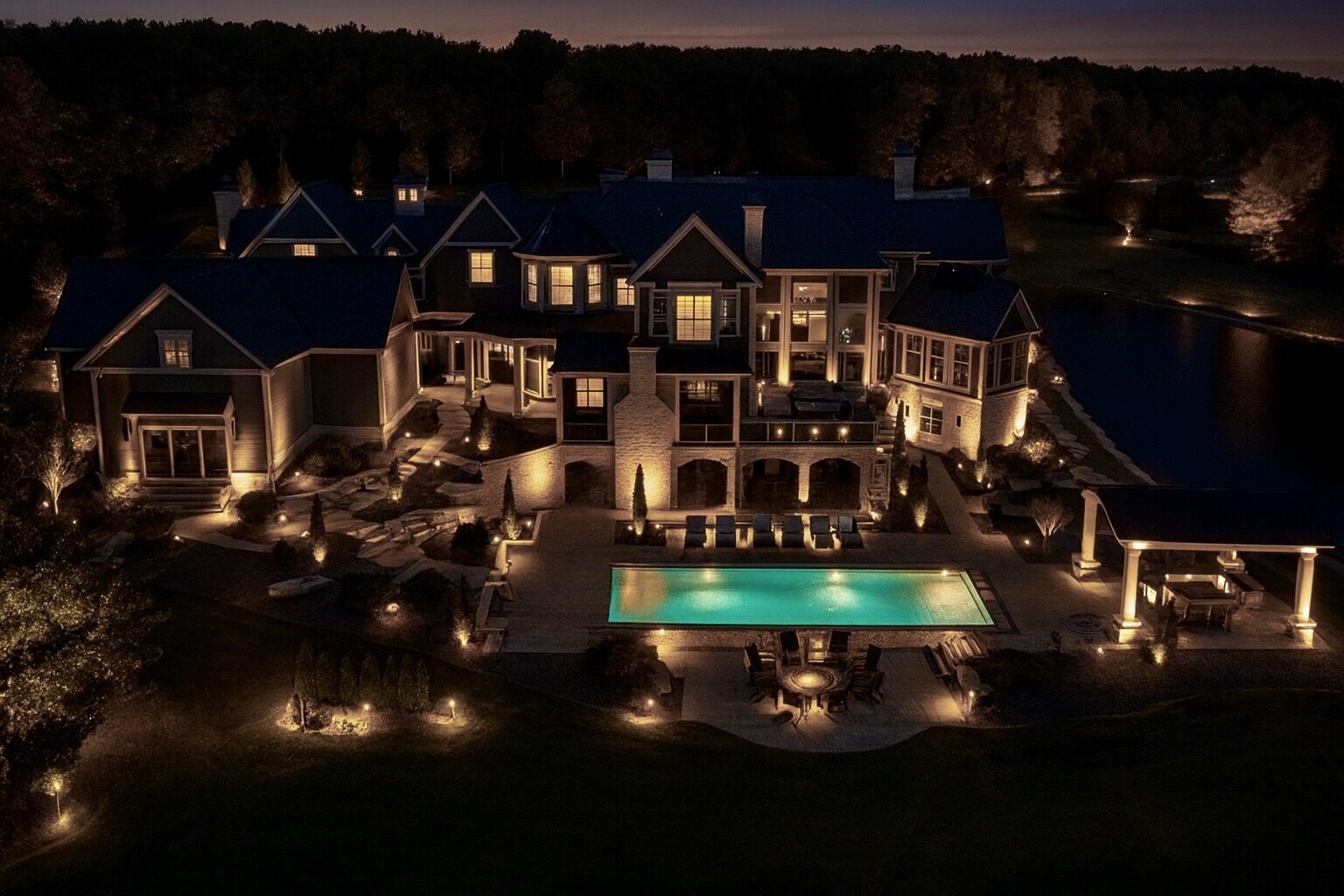
Yes, and that's the point of it. The house knows local sunrise and sunset and moves your scenes with the real sun through the year, so December mornings and June mornings both come up right. Touch nothing for a month and it stays correct. Because the logic lives in the house, the schedule survives an internet outage, and one press overrides any of it when you want the room your way.
What's the difference between LED strip lights and professional linear lighting?
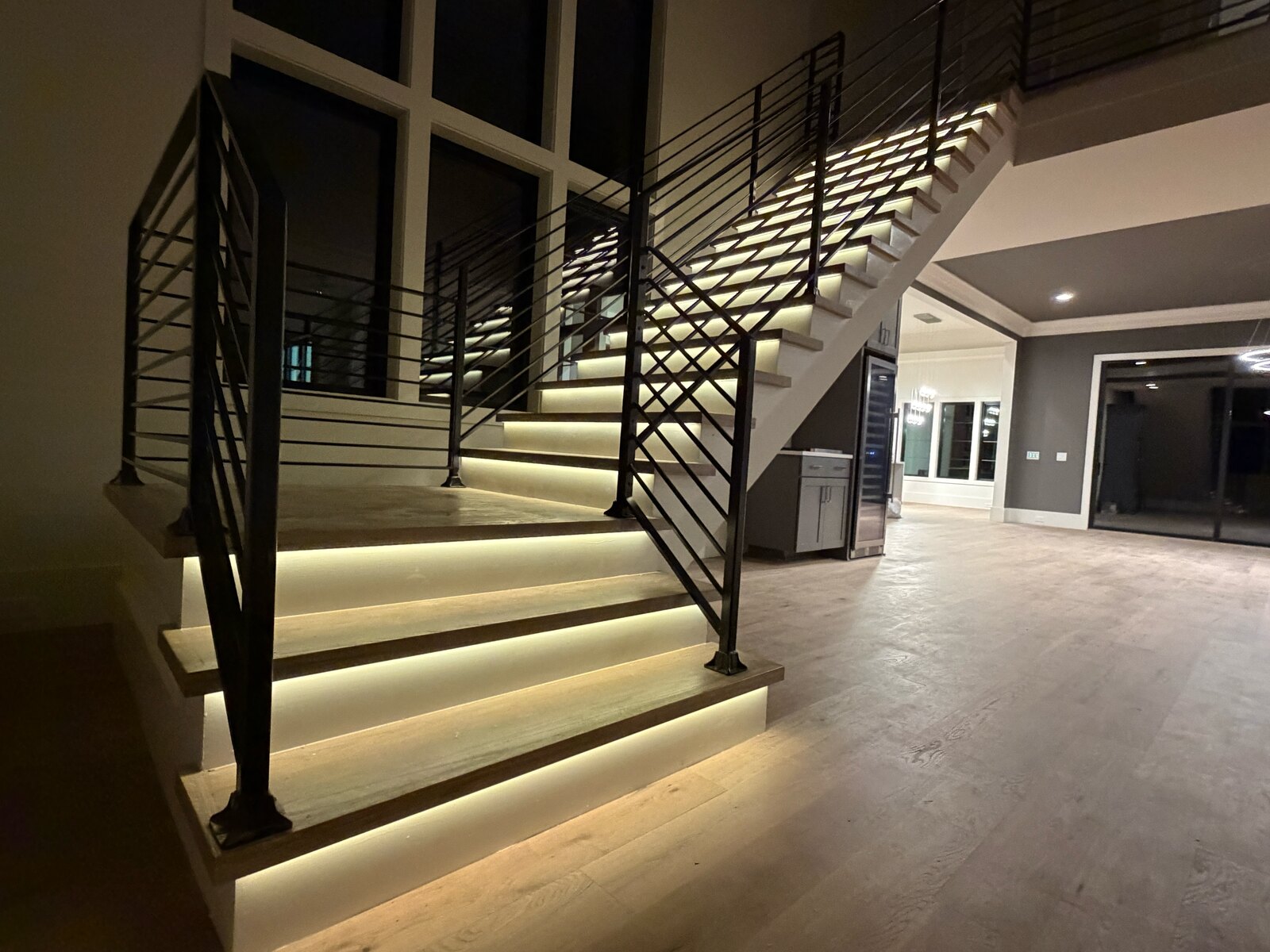
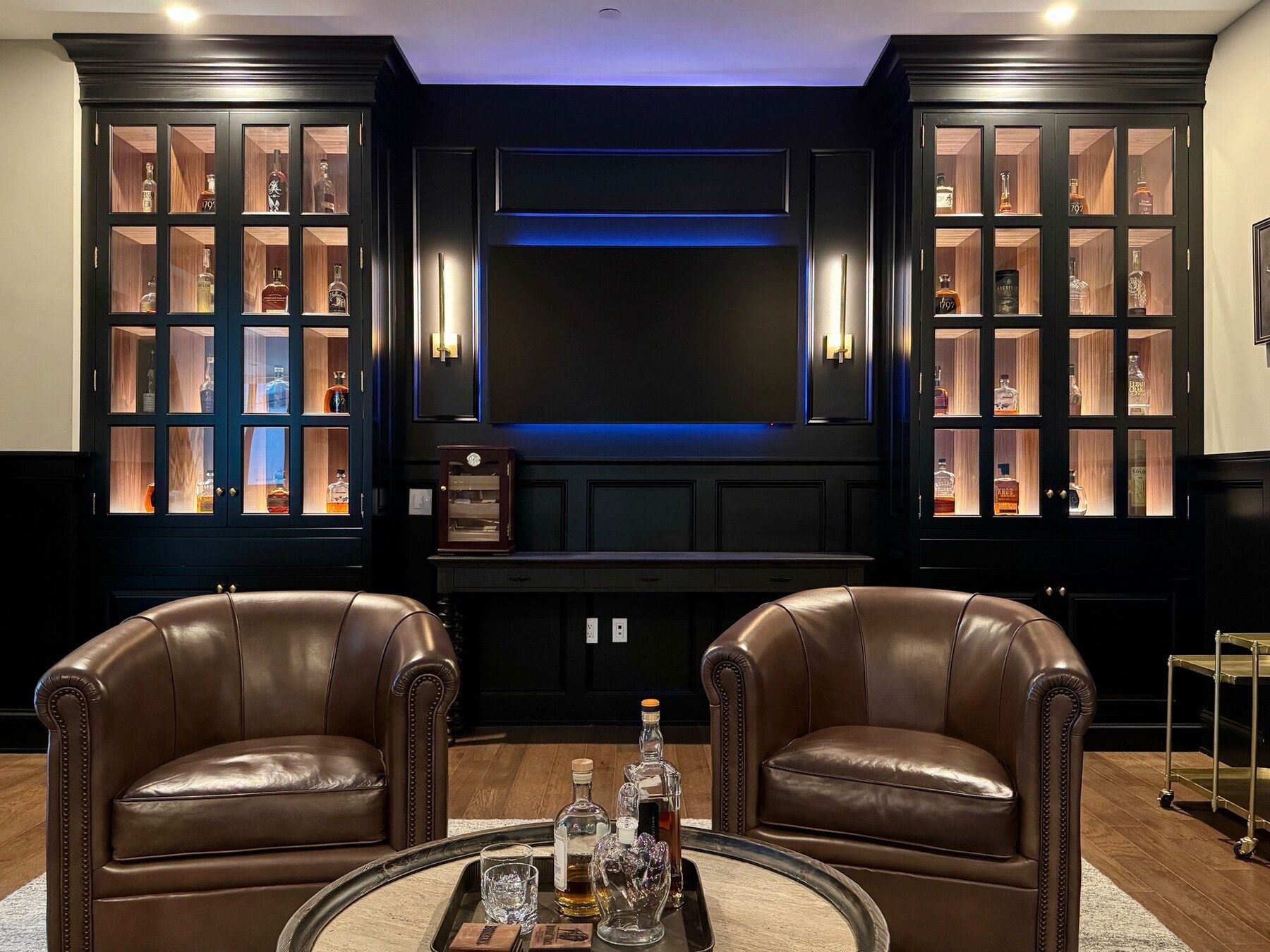
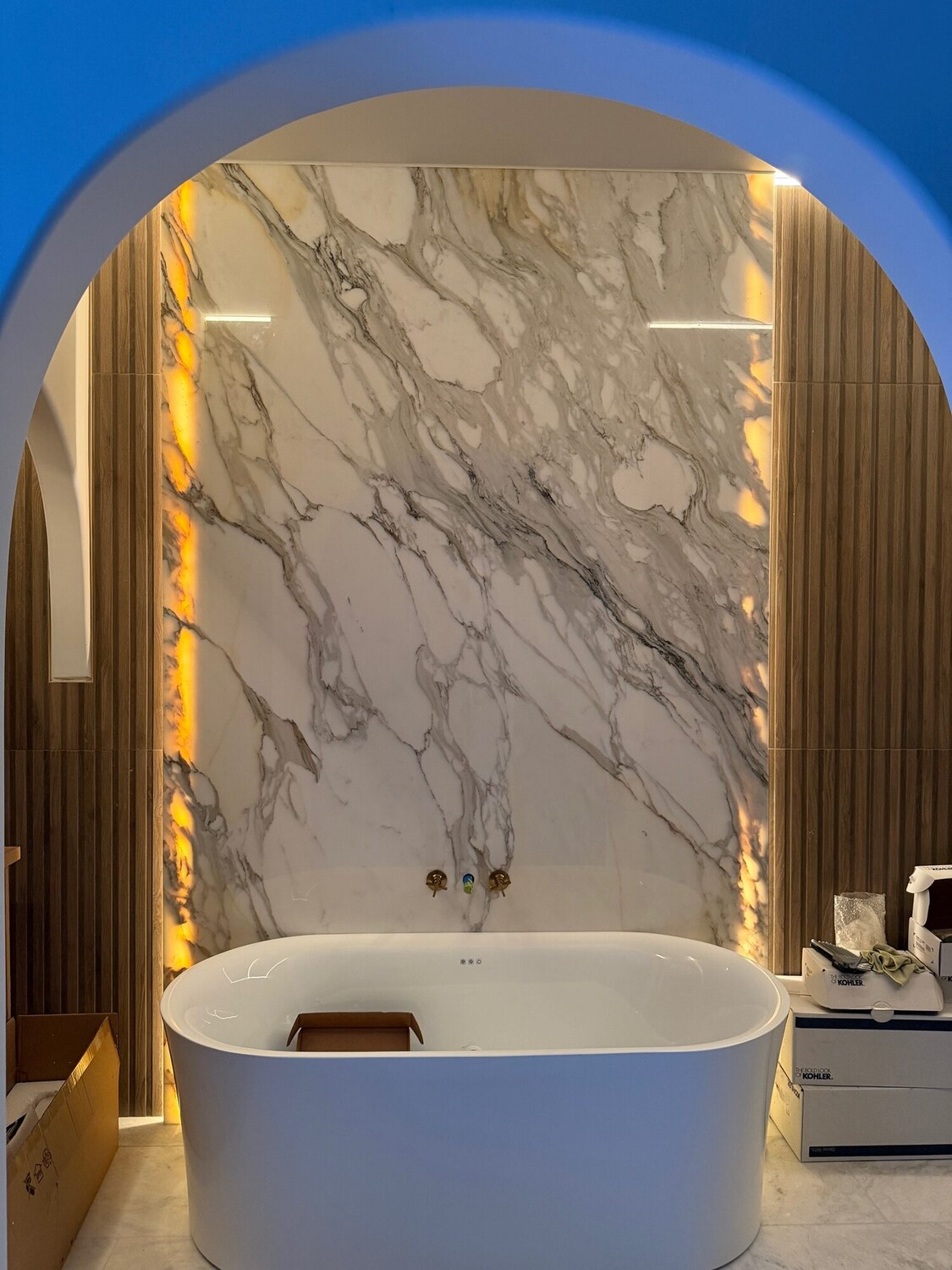
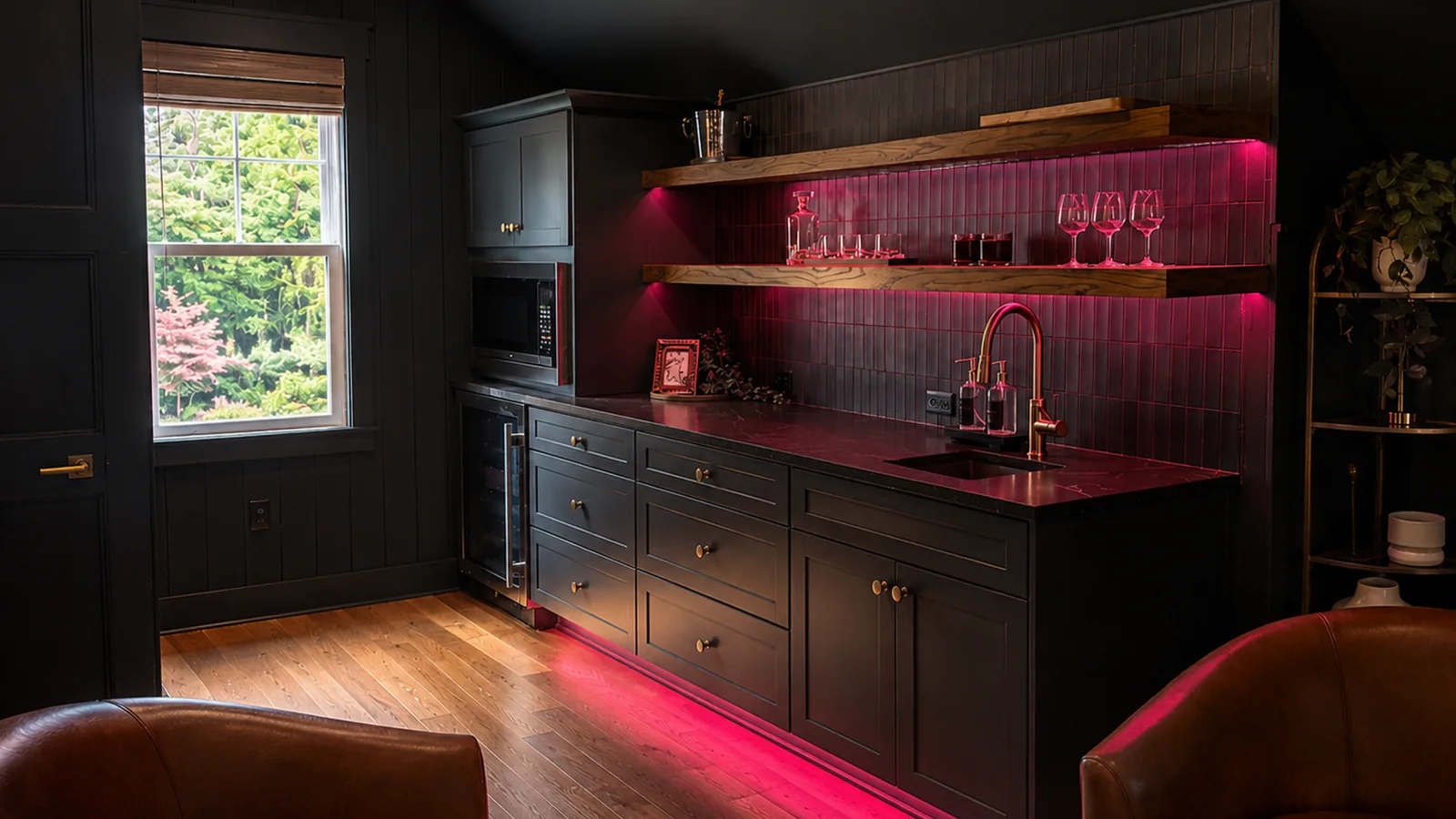
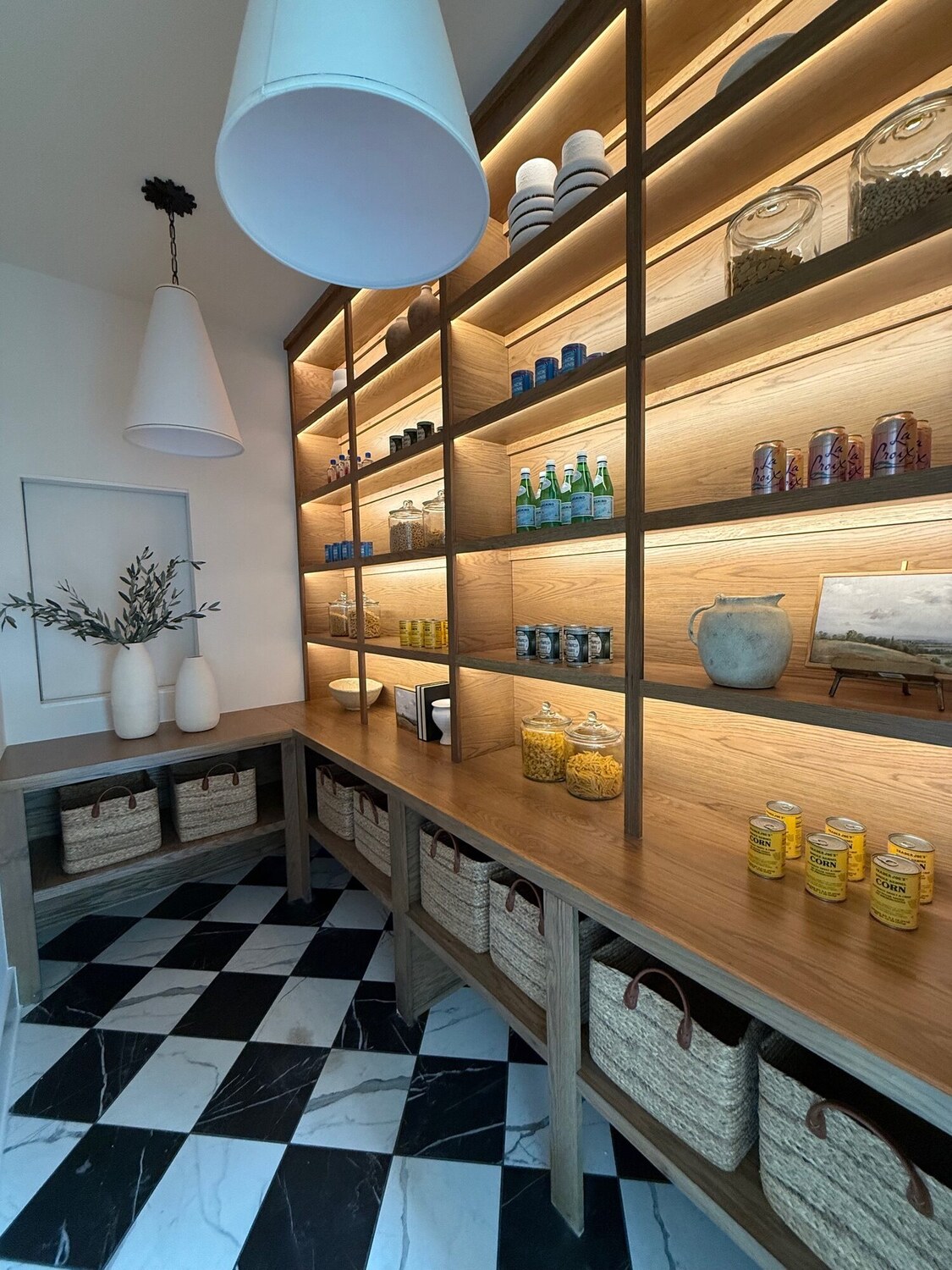
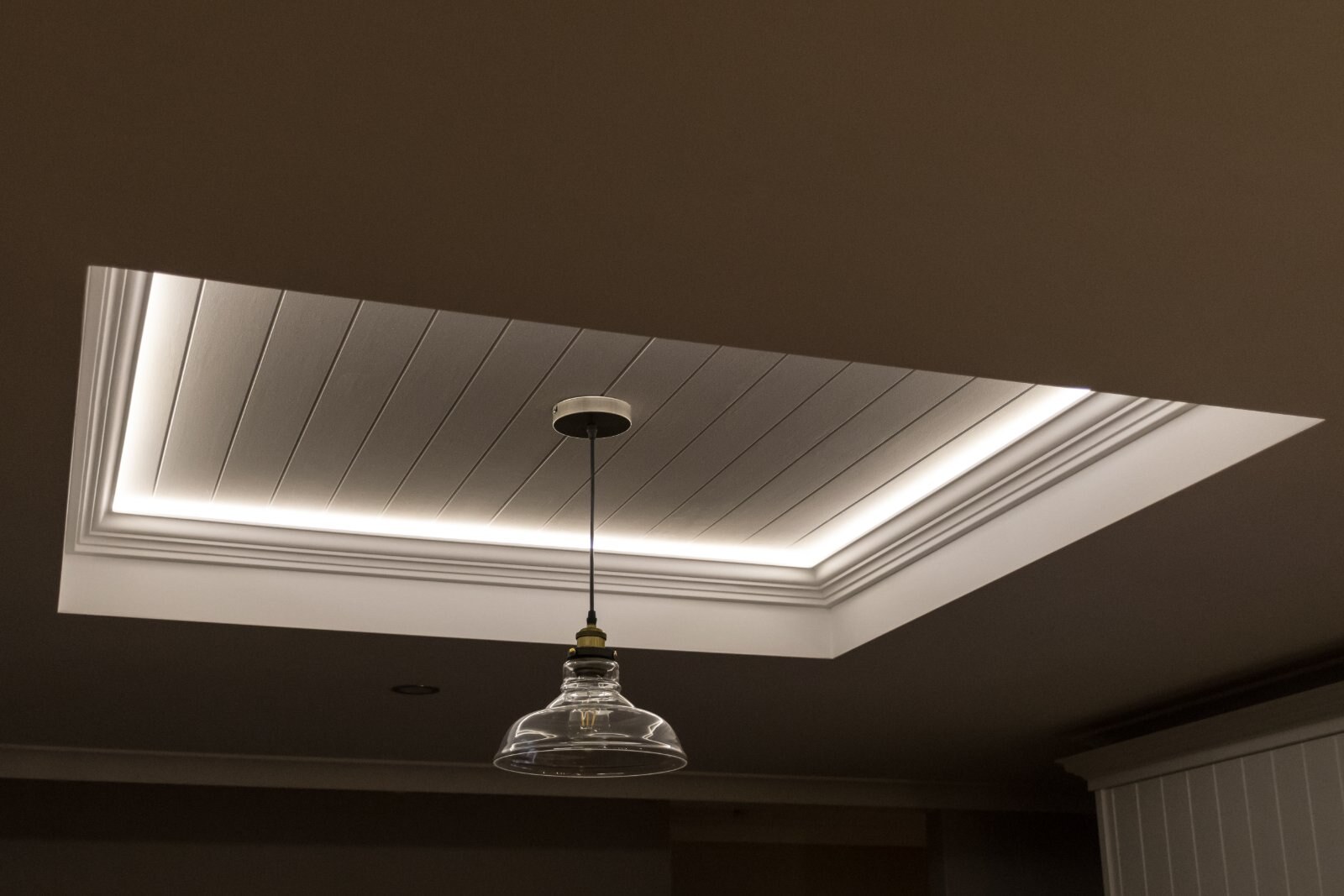
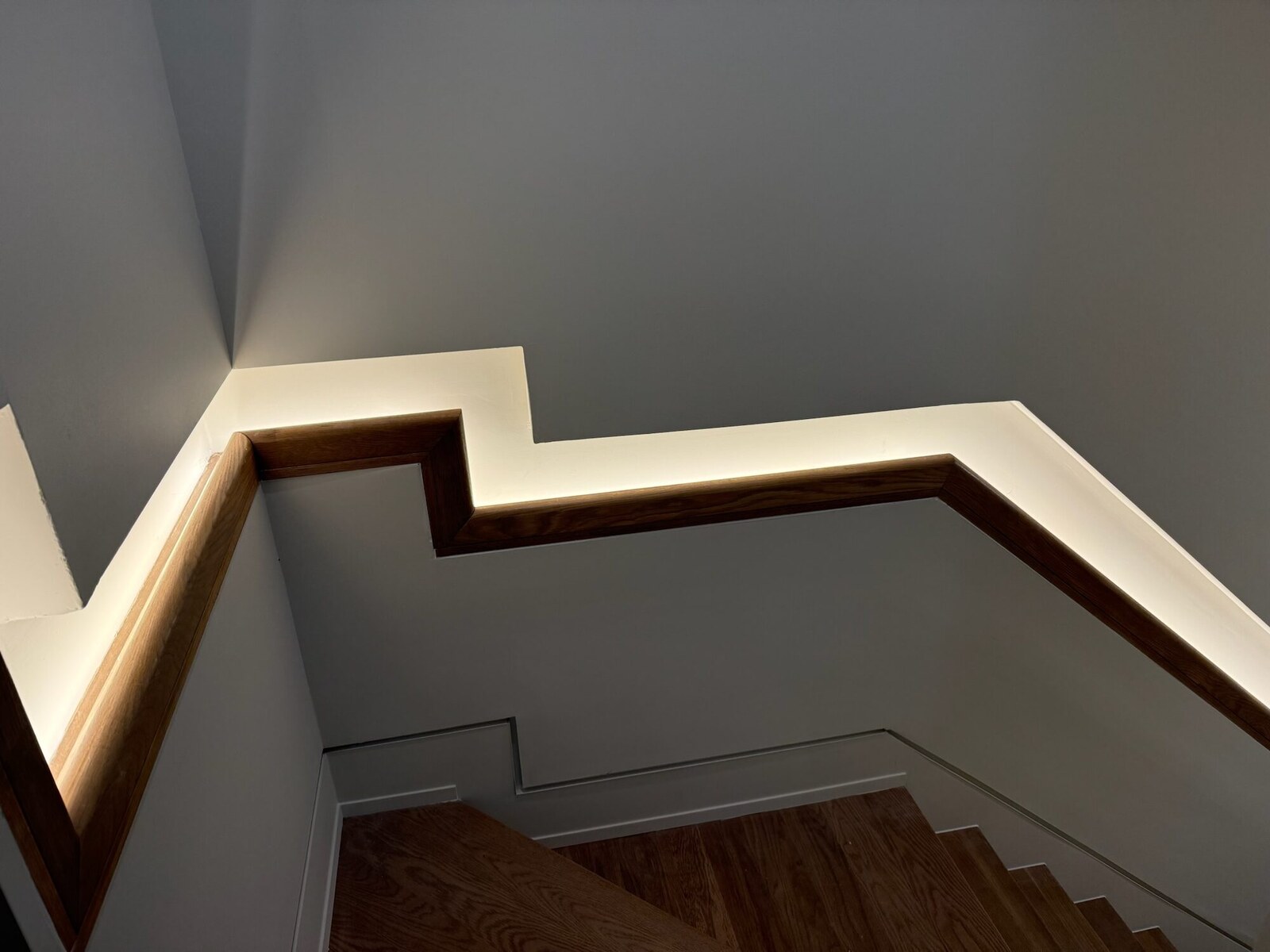
The channel and the tuning. Strip lights stuck under a cabinet show every diode and every seam. We set the tape in a recessed aluminum channel under a diffuser, so the counter gets one even wash with no visible source, dimmed and scened with the rest of the room. Guests see the glow and go looking for the source.
Is it too late to add lighting control if the house is already built?
No. Sooner gives you more to work with, since wiring hides best before insulation, but we do real work in finished homes too: retrofit battery-powered shades, lighting control on existing wiring, cleanup of systems that were never finished right. We walk the house and explain the art of the possible.